

Revealed: Winfried Heininger of Kodoji Press
Revealed: Winfried Heininger of Kodoji Press
Sympoietic Arrangements
Platforms for engagement
with Winfried Heininger, art book
designer and publisher of Kodoji Press.
“Sympoiesis is a simple word; it means making-with. Nothing makes itself; nothing is really auto-poetic, or self-organising….[Sympoiesis] is a word for worlding-with, in company.”
—Donna J. Haraway
This project delves into collaboration between beings, a concept Donna Haraway described as sympoietic arrangements. We invited award-winning Swiss-based art book designer and independent publisher, Winfried Heininger, to share his compelling, highly collaborative work in live conversations, and through his sound and image installation: Educational Complex.
Stta:’s week of programming launched with two design talks in the form of Blind Dates matching Winfried with local designer, Bryan Gee, on October 3rd, and design duo Melissa Agostino and Henry Tyminski of Sali Tabacchi on October 4th. Our final event on October 10th is an Open House viewing of Educational Complex, with Winfried present.
We withheld all of the designers’ identities from the public and from each other until their Blind Dates, yielding fascinating, spontaneous conversations between seasoned designers working with images, artists, and books.
“Everyone in a creative field is uncertain, even when you have a strong vision. If you don’t play it safe, you are always uncertain.”
—Winfried Heininger
Platform I:
Blind Date
When:
Saturday, October 3rd, 2026 / 7:00PM
Sunday, October 4th, 2026 / 2:00PM
Venue:
Stta:’s cultural gathering space at Dundas St West and Dufferin St
Four graphic designers – from 2 continents – who had never met each other, all agreed to participate in a Blind Date in front of an audience. We wondered: What will happen? Will they like each other? Do they have anything to talk about? Will they come to blows? Will they hate each others work? Will they have chemistry? Will it be love at first sight?
This pairing of professionals in conversation would reveal them and their work to us live in an organic, unpredictable way. They were all up for an unconventional challenge, and open to learning something unexpected about themselves and their work in the process.
In a world in which we “know” everything about everything without even experiencing it – a film, a book, a meal, a city, a country, a sunset – we asked you to embrace a little mystery. To walk into the unknown. To take a chance and buy a ticket to a talk by mystery guests. We invited you to be surprised, delighted, perplexed…. And offered you the chance to have a real-life experience that hadn't been pre-digested, and spit back out at you as easily consumed, smooth bytes of processed data for your distracted digestion.
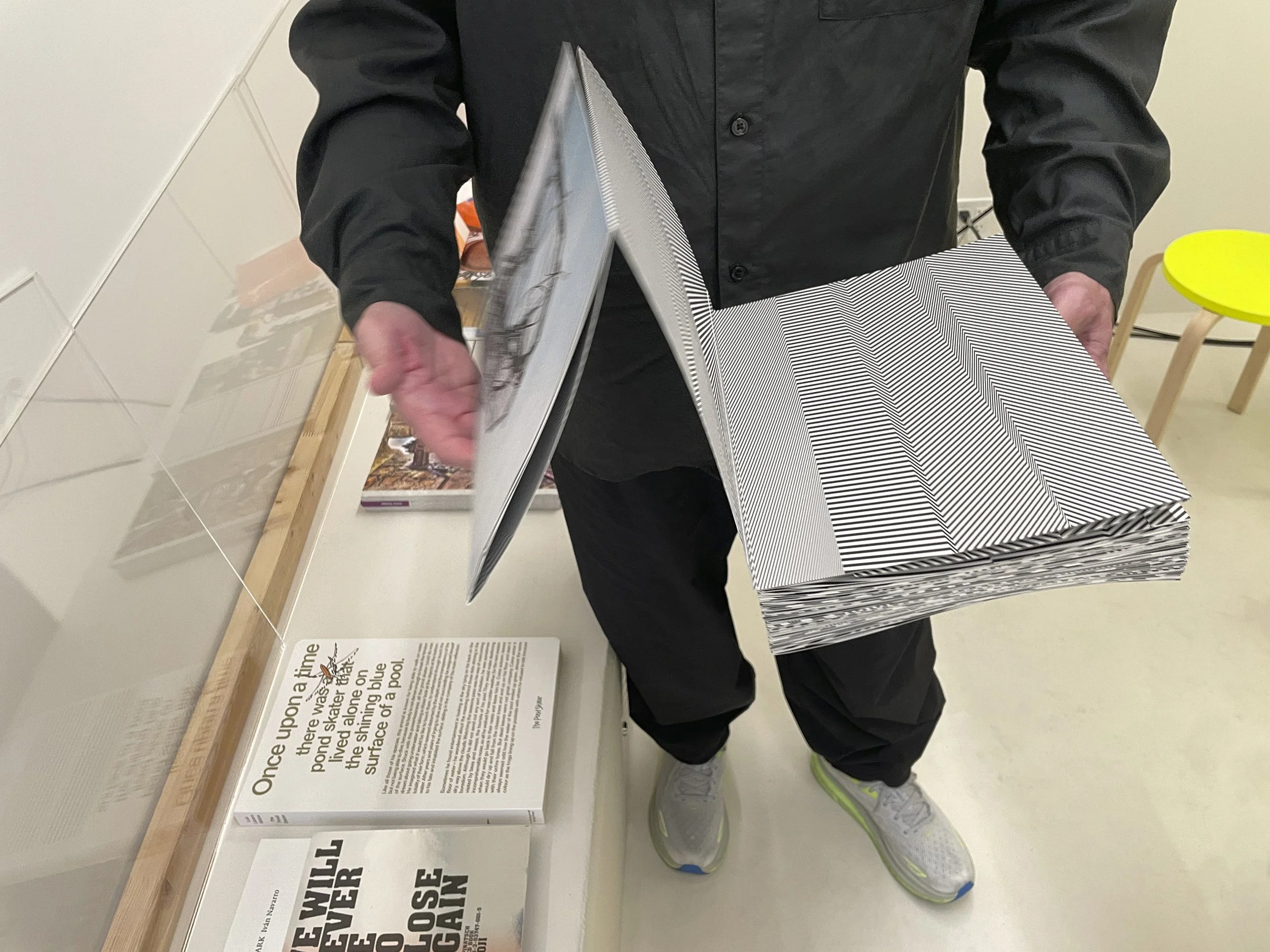
Winfried Heininger
Winfried Heininger is a designer and editor based in Baden, Switzerland. In 2007, he founded the independent non-profit-oriented publishing house, Kodoji Press, specialising in contemporary art and photography. Employing a highly collaborative, artist-centric approach, his work pushes conventional book production limits to emphasize the core essence of each project. Heininger teaches and leads regular editing workshops on topics relating to design and publishing, and lectures at various art schools in Switzerland and abroad. His work, which has been recognised with numerous national and international awards, is testament to an independently minded, innovative vision that deeply enriches the publishing world. In 2023 he was awarded the Jan Tschichold Award, which recognises outstanding achievements in book design by an individual, group or institution.
Amongst those publishing in the field of art and photography books, Heininger is one of the very few to consistently push editorial projects to their limits. He is questioning standards in book production, challenging conventional formats and works always in close collaboration with the authors, photographers and artists. As a result, the Kodoji Press titles stand out in the crowd of contemporary art books, for their sensibility for innovative book production and willingness to take risks. Publications are conceptually designed, industrially produced books with a fascinating attitude.
“My work is somehow to understand the intention of the artist, and to develop something that makes sense out of this intention. I ask them to write a statement, in advance, of their intention so I can help them be accountable to their work; and so they understand my decisions. I deal more with the personality of the artist than the work itself.”
—Winfried Heininger
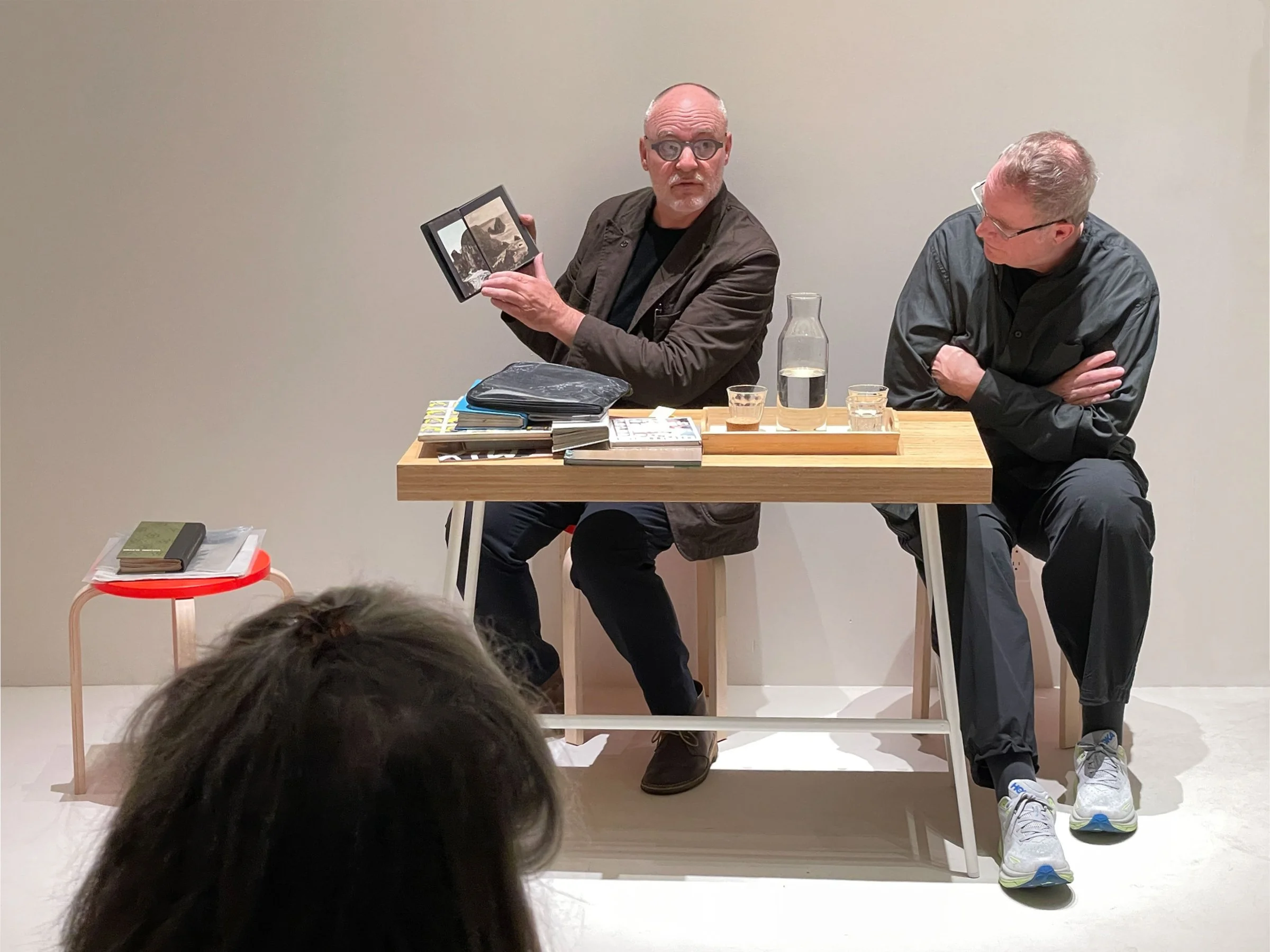
Local Blind Date Participant #1:
Bryan Gee
Bryan Gee is a book designer, art director, visual editor and writer. His design practice emerged directly out of his experience as an artist and curator in the Toronto art community informing his approach of translating art objects to the printed spaces of books such as the exhibition catalogues and monographs he has designed for galleries and museums.
He has designed books on, by, and/or with: Pierre Bismuth, Ian Carr-Harris, Ellen Gallagher, General Idea, Douglas Gordon, Mona Hatoum, Kristan Horton , Luis Jacob, Geoffrey James, Lisa Klapstock, Micah Lexier, Peter MacCallum, Bernie Miller, Philip Monk, N.E.Thing Co., Jeanne Randolph, Doris Salcedo, Karin Sander, Jérôme Sans, Fiona Tan, Cy Twombly, Andy Warhol and others.
In addition to his freelance practice he has held senior design positions at the Art Gallery of Ontario, Saturday Night Magazine and Bruce Mau Design (where he collaborated directly with the Museum of Modern Art, Deutsche Bank Art and the Gagosian Gallery). He currently works as an art director for Opinion at The Globe and Mail, Canada’s national newspaper.
For the past several years he has been working on a personal book project exploring the seemingly inexhaustible visual and kinetic possibilities of the codex form. Models for what he calls his visual-novel-in-process were first presented at the conference Memory, Word and Image: W.G. Sebald’s Artistic Legacies, University of Amsterdam. His essay Writing with Images on the sequential and cinematic qualities of visual books was published in the Canadian book arts journal Amphora, adapted and expanded from the talk he gave at The Alcuin Society Awards for Excellence in Book Design in Canada.
“My collaboration with curators, artists, and educators was invaluable. It helped reinforce a respect for the integrity of artworks and the critical difference between designing with images and designing for images.”
—Bryan Gee
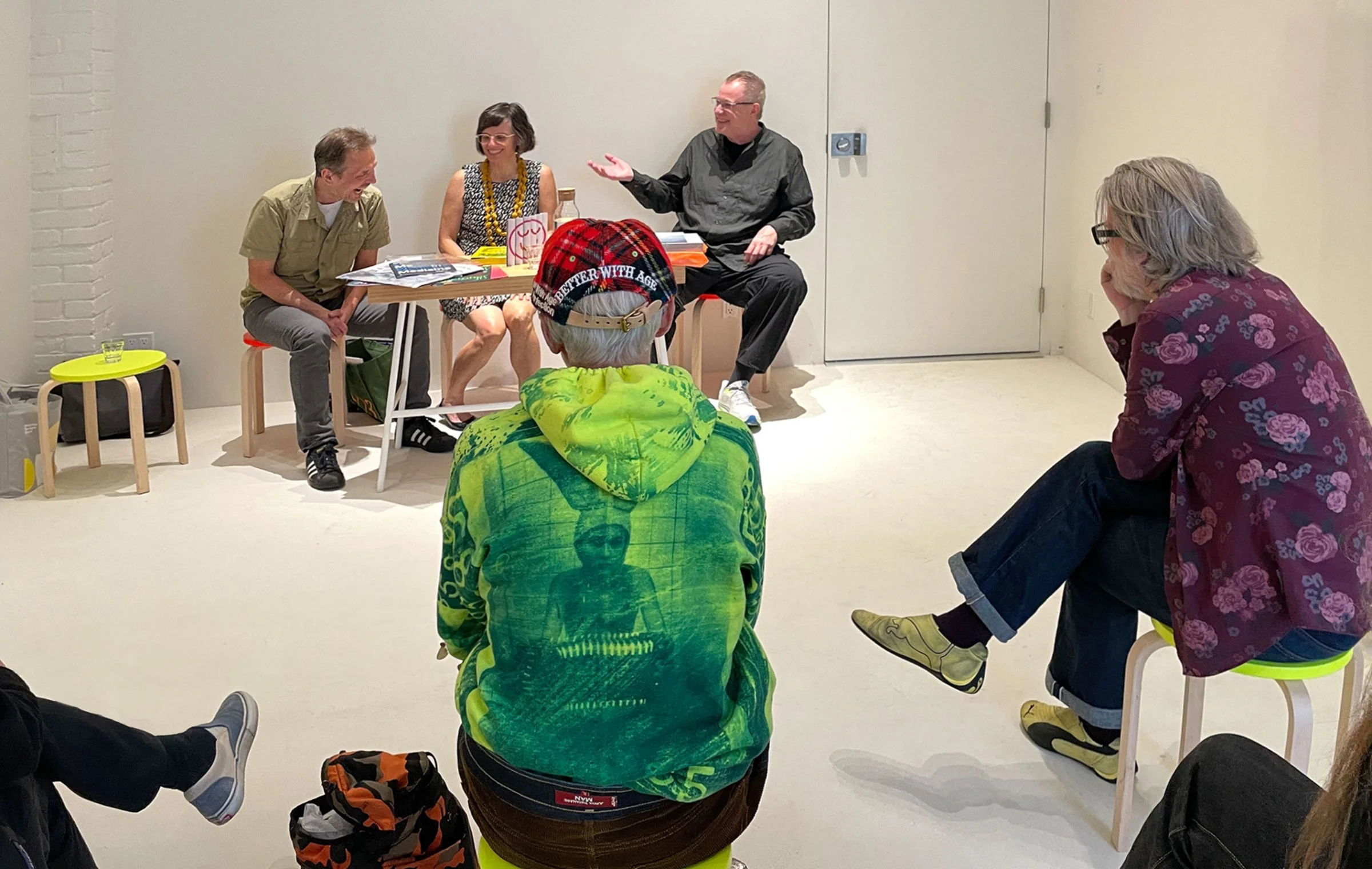
Local Blind Date Participant #2:
Sali Tabacchi
Sali Tabacchi is a full-service creative studio specializing in design and strategic communications. Partnering with leaders in the academic, medical, arts, architecture, and event sectors, the studio delivers clean, purposeful work across print, digital, and motion platforms – transforming complex ideas into compelling stories that endure.
Co-founder, Henry Tyminski, has been shaping visual identities across Toronto and Amsterdam since 1999. He brings a thoughtful, strategic approach to typography, editorial layouts, and branding across diverse sectors, while also expanding Sali Tabacchi’s reach into digital design, interactive websites, and motion graphics.
Co-founder, Melissa Agostino, brings over 25 years of international design experience across Canada and Europe. Her work spans classic signage, distinct branding, editorial design, and digital platforms – infused with a clean, timeless aesthetic and moments of playfulness that keep client touchpoints engaging and memorable.
Platform II:
Sound Affects: An Evening of Spinning Records & Tales
When:
Thursday, October 8th, 2026 / 7:00PM
Venue:
Stta:’s cultural gathering space at Dundas St West and Dufferin St
Is there a track you’d love to play, with a story you’re eager to tell? Bring your vinyl to Stta: for a night of sharing, and we'll put it on our turntable! Participants will gather in the Stta: coach house for a collective sound experience.
Sound Affects engages with the world of sound as an agent for storytelling, knowledge sharing, and connection. Sharing a piece of music (or other sound) and its story, with others in an intimate setting amongst strangers and friends, helps us bridge gaps, connect, make meaning together, and be present.
We invite you to sit with us, listen with us, and share with us. How and when you share your story is entirely up to you!
Winfried Henininger will get this inaugural event started!
Platform III:
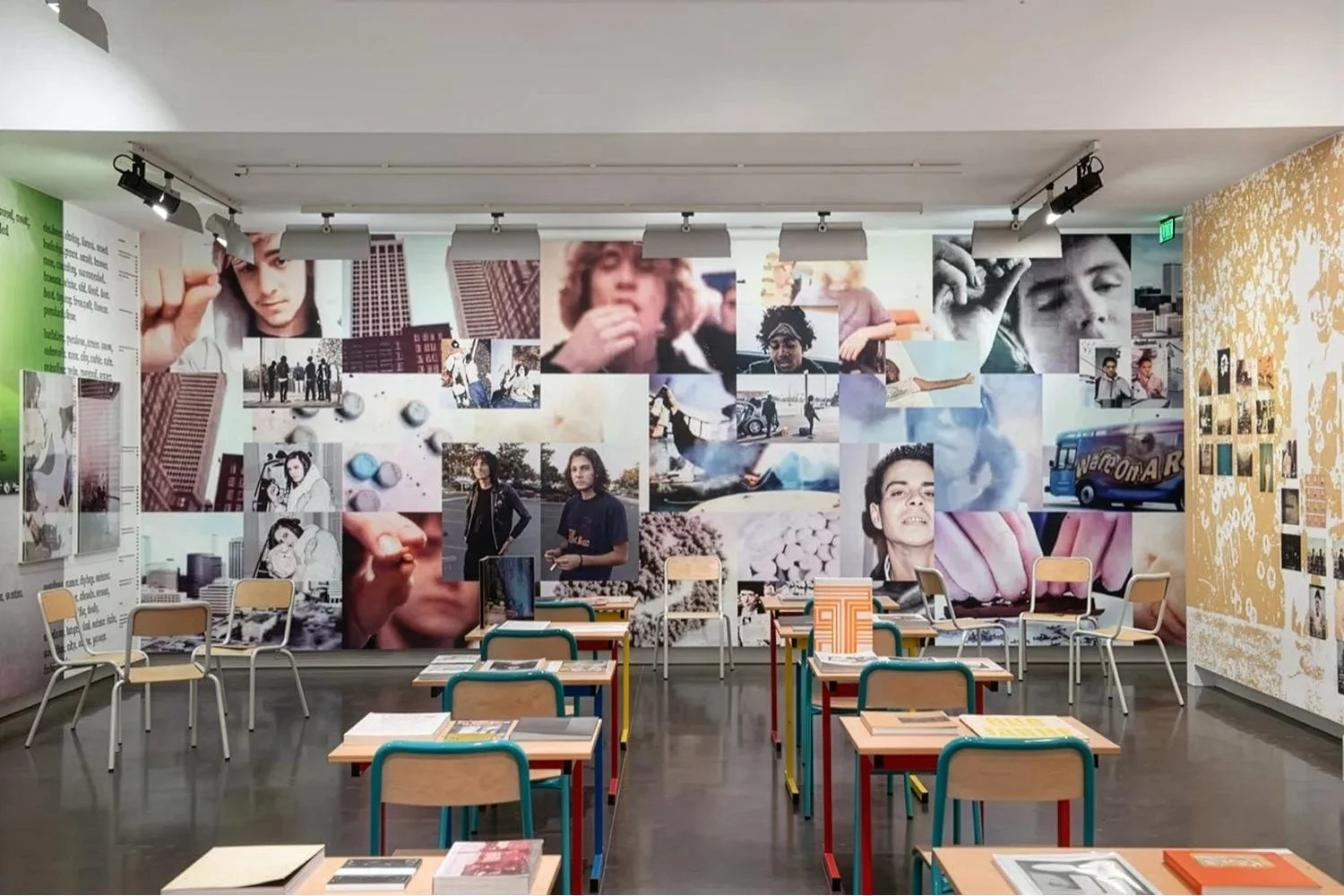
Educational Complex
When:
October 10th, 2026 / 12:00 - 4:00 PM
Venue:
Stta:’s cultural gathering space at Dundas St West and Dufferin St
During our Mystery Guest’s last week-end in Toronto, we will open our coach house so you can experience his sound and image installation, Educational Complex; see a selection of his books; and immerse yourself in the work of one of the most original, innovative art book designers in Europe.
Original Redacted Pages
Sympoietic Arrangements
Platforms for engagement
with Mystery Guest art book
designer-publisher
“Sympoiesis is a simple word; it means making-with. Nothing makes itself; nothing is really auto-poetic, or self-organising….[Sympoiesis] is a word for worlding-with, in company.”
—Donna J. Haraway
Something to think about:’s upcoming project delves into collaboration between beings, a concept Donna Haraway described as sympoietic arrangements. We invited a Mystery Guest who is an award-winning Swiss-based art book designer and independent publisher. He will share his original, compelling work in a captivating image and sound installation he calls Educational Complex. Stta: is hosting a dynamic week of events with our guest, book-ended by two Blind Dates with local Toronto graphic design heroes; and two scheduled installation viewing days with the designer present.
We're withholding the identity of our Mystery Guest until after the two Blind Dates on October 3rd and 4th, which will bring him together with 3 Toronto graphic designers for a getting-to-know-you conversation in front of a small audience. The Toronto designers will likewise not know who they’re meeting! Join us for a spontaneous and unscripted experience; and what will surely be fascinating conversations between seasoned designers working with images, artists, and books.
“Everyone in a creative field is uncertain, even when you have a strong vision. If you don’t play it safe, you are always uncertain.”
—Swiss-based Mystery Guest
Platform I:
Blind Date
When:
Saturday, October 3rd, 2026 / 7:00PM
Sunday, October 4th, 2026 / 2:00PM
Venue:
Stta:’s cultural gathering space at Dundas St West and Dufferin St
Four graphic designers – from 2 continents – who have never met each other, have all agreed to participate in a Blind Date in front of an audience. What will happen? Will they like each other? Do they have anything to talk about? Will they come to blows? Will they hate each others work? Will they have chemistry? Will it be love at first sight?
This pairing of professionals in conversation will reveal them and their work to us live in an organic, unpredictable way. They are all up for an unconventional challenge, and open to learning something unexpected about themselves and their work in the process.
In a world in which we “know” everything about everything without even experiencing it – a film, a book, a meal, a city, a country, a sunset – why not embrace a little mystery? Walk into the unknown. Take a chance. Buy a ticket to a talk by mystery guests. Be surprised, delighted, perplexed…. Have a real-life experience that hasn't been pre-digested and spit back out at you as easily consumed, smooth bytes of processed data for your distracted digestion.

Mystery Guest
███ ███ is a designer and editor based in Baden,, Switzerland. In 2007, he founded the independent non-profit-oriented publishing house, ███,█, specialising in contemporary art and photography. Employing a highly collaborative, artist-centric approach, his work pushes conventional book production limits to emphasize the core essence of each project. ███ teaches and leads regular editing workshops on topics relating to design and publishing, and lectures at various art schools in Switzerland and abroad. His work, which has been recognised with numerous national and international awards, is a testament to an independently minded, innovative vision that deeply enriches the publishing world. In 2023 he was awarded the Jan Tschichold Award, which recognises outstanding achievements in book design by an individual, group or institution.
Amongst those publishing in the field of art and photography books, ██████ is one of the very few to consistently push editorial projects to their limits. He is questioning standards in book production, challenging conventional formats and works always in close collaboration with the authors, photographers and artists. As a result, the ███ ███ titles stand out in the crowd of contemporary art books, for their sensibility for innovative book production and willingness to take risks. Publications are conceptually designed, industrially produced books with a fascinating attitude.
“My work is somehow to understand the intention of the artist, and to develop something that makes sense out of this intention. I ask them to write a statement, in advance, of their intention so I can help them be accountable to their work; and so they understand my decisions. I deal more with the personality of the artist than the work itself.”
—Swiss-based Mystery Guest

Local Blind Date Participant #1
███ ███ is a book designer, art director, visual editor and writer. His design practice emerged directly out of his experience as an artist and curator in the Toronto art community informing his approach of translating art objects to the printed spaces of books such as the exhibition catalogues and monographs he has designed for galleries and museums.
He has designed books on, by, and/or with: ███ █████ █ █████ ███ ██ ██ ███ ██████ M ██ a ██████ ███ ██ n ██ ███ █ y █ ██ █ ██ ██████ ████ ██ ███ █████ ████ ████ ██ ████ ██ █ ███ ██████ ██████ ████ ███ ███████ █████ ███ ██ █ ████ ██ ████ ██████ ████████ ██ ██ ██ ███ ██ ███ ██ ███ ██ ███ ████ ████ ██ ██ ██████ █ ███
In addition to his freelance practice he has held senior design positions at the ██ Gallery ████ ████ Magazine ████ ████ Design ██ ██ ███ █████ Museum████ Art ████ ███ ███ ███ ███. He currently works as an art director for ███ █████ ████ ███ ███ ████.
For the past several years he has been working on a personal book project exploring the seemingly inexhaustible visual and kinetic possibilities of the codex form. Models for what he calls his visual-novel-in-process were first presented at the conference ██ ██ ██ ██ █ ███ █████ ███, University of Amsterdam. His essay ██ █ █████ on the sequential and cinematic qualities of visual books was published in the ██ ██ ███ █████, adapted and expanded from the talk he gave at ██████ Society Awards for Excellence in Book Design in ████.
“My collaboration with curators, artists, and educators was invaluable. It helped reinforce a respect for the integrity of artworks and the critical difference between designing with images and designing for images.”
—Local Blind Date Participant

Local Blind Date Participant #2
██ ███ is a full-service creative studio specializing in design and strategic communications. Partnering with leaders in the academic, medical, arts, architecture, and event sectors, the studio delivers clean, purposeful work across print, digital, and motion platforms – transforming complex ideas into compelling stories that endure.
Co-founder ████ ██████ has been shaping visual identities across Toronto and Amsterdam since 1999. He brings a thoughtful, strategic approach to typography, editorial layouts, and branding across diverse sectors, while also expanding █ █████ reach into digital design, interactive websites, and motion graphics.
Co-founder █████ █████ brings over 25 years of international design experience across Canada and Europe. Her work spans classic signage, distinct branding, editorial design, and digital platforms – infused with a clean, timeless aesthetic and moments of playfulness that keep client touchpoints engaging and memorable.
Platform II:
Sound Affects: an evening of spinning records & tales
When:
Thursday, October 8th, 2026 / 7:00PM
Venue:
Stta:’s cultural gathering space at Dundas St West and Dufferin St
Is there a track you’d love to play, with a story you’re eager to tell? Bring your vinyl to Stta: for a night of sharing, and we'll put it on our turntable! Participants will gather in the Stta: coach house for a collective sound experience. How and when you share your story is entirely up to you. Our Mystery Guest will get things started!
Platform III:
Educational Complex
When:
October 10th, 2026 / 12:00 - 4:00 PM
Venue:
Stta:’s cultural gathering space at Dundas St West and Dufferin St
During our Mystery Guest’s last week-end in Toronto, we will open our coach house so you can experience his sound and image installation, Educational Complex; see a selection of his books; and immerse yourself in the work of one of the most original, innovative art book designers in Europe.